Hydlo and Friends 2.0 - Tipi Talks

Collaboration, Listening, Humility, Transparency

Welcome to the Hydlo and Friends - Tipi Talks platform!

The modernization of the generating units at Robert-Bourassa (LG-2), La Grande-3, and La Grande-4 presents us with a unique opportunity to increase our energy capacity.

Ayimihiituunaanuwich, which means “dialogue” in Cree, is the name of the joint process established by Hydro‑Québec and the Cree Nation Government to assess the technical, environmental, social and cultural aspects of the potential capacity increases at La Grande. We are opening this space to foster transparent collaboration, where we provide information and your knowledge and concerns are heard.

Below you will find :

  • ᒦᓐ ᐋᑎᑎᐤ ᐋᒌ ᐋᑎᑎᐤ  ᒋᔅᒑᔨᑎᑭᓄᐎᒡ ᑖᓂᑖᐦ  ᐋᑎ  ᐄᔨᑎᒃ   ᐋᔨᔨᐤ ᐋᐹᒥᑎᑖᑦ  ᐊᓂᑖᐦ  ᓂᑑᐦᐆᒋᒡ | Eeyou Harvesting and Traditional Land Use
    prise en charge de l’image

    It’s important to help safeguard Eeyou land use and activities to help maintain Eeyou way of life. To signify this importance, we evaluated the following components:

    • Eeyou Harvesting Areas: Places where people go to hunt, fish, trap, gather berries or harvest other resources.

    • Resource Availability and Quality: The presence, abundance and condition of plants and animals that people harvest, such as fish, caribou or moose, berries and other resources.

    • Camps and Campsites: Cabins, camps, tent frames and temporary camping areas used while travelling, harvesting or

    It’s important to help safeguard Eeyou land use and activities to help maintain Eeyou way of life. To signify this importance, we evaluated the following components:

    • Eeyou Harvesting Areas: Places where people go to hunt, fish, trap, gather berries or harvest other resources.

    • Resource Availability and Quality: The presence, abundance and condition of plants and animals that people harvest, such as fish, caribou or moose, berries and other resources.

    • Camps and Campsites: Cabins, camps, tent frames and temporary camping areas used while travelling, harvesting or spending time on the territory with family.

    Eeyou navigation and travel routes can be found in the Eeyou Land Use: Navigation, Land Access and Travel Part 2 Factsheet.

    Key Takeaways

    Expected changes:

    • Mitigation measures will help lessen the changes to Eeyou harvesting areas, camps and campsites, as well as on resource availability. Some mitigation includes using low noise equipment, informing camp users about construction activities in advance and overseeing fishing activities with additional workers.

    How was Eeyou Knowledge Incorporated into the Study? 

    Eeyou land users are present in the area for the potential capacity upgrades throughout the year. In the spring, waterfowl hunting takes place, while fishing and berry picking are common summer activities. During fall, Eeyou land users hunt moose, bear and small game. Winter is when trapping and caribou hunting is most common.

    Eeyou land users identified their numerous harvesting areas, as well as the locations of their camps and campsites, describing how and when they are used throughout the year. This information helped the study team understand the importance of these places and assess how the capacity upgrades could change Eeyou land use.

    Expected Changes

    Eeyou Harvesting Areas

    During construction, noise, dust, traffic and the presence of additional workers may temporarily reduce the peaceful enjoyment of some Eeyou harvesting areas near the generating stations and along the roads. Increased traffic may also create safety risks for land users carrying out harvesting activities along roads.

    Beginning during construction and continuing through operation, water level in the La Grande 4 reservoir is anticipated to be noticeably lower than it currently is during the winter (February and March). It is also expected to be lower in June, which could result in changes to some Eeyou harvesting areas visited during these seasons.

    Resource Availability

    During the construction and operation phases, no increase in mercury levels in fish is expected, and no significant changes to fish communities are anticipated.

    A slight increase in the size of the existing ice-free zone is expected downstream of the La Grande-3 generating station, which could change the presence of geese and ducks at hunting sites frequented by Eeyou land users in this area.

    The increase in heavy traffic could also pose safety risks for Eeyou land users conducting harvesting activities along the roads.

    Camps and Campsites

    During construction, noise from work areas and increased traffic on the Billy-Diamond Highway, the Transtaïga Road and the access road to La Gande-3 and La Grande-4 may reduce the peaceful enjoyment of camps and campsites used by Eeyou land users. Increased traffic may also create dust near these camps and campsites.


    Download the Eeyou Harvesting and Traditional Land Use Factsheet.


    Eeyou harvesting areas and resource availability will be significantly affected by climate change. Camps and campsites will be minimally affected by climate change. For more information, refer to the Climate Change factsheet.

  • ᑖᓂᑖᐦ  ᐋ ᑎᐹᒦᑖᑦ  ᑭᔮᐦ  ᑖᓐ  ᑳᑎ  ᓂᑑᐦᐆᒡ  ᐋᔨᔨᐅᒡ , ᑭᔮᐦ ᒫᒃ ᒑᒀᔨᐤ ᑲᐱᒋᑖᒡ  ᐆᑖᐱᓈᔅᒄ   ᓈᔥᑦ  ᒫᒃ ᑳ ᐎᔅᑖᑯᓂᒋᐱᑖᔨᒡ , ᐆᑦ, ᑳᐱᒥᐦᔮᒥᑭᒡ | Navigation, Land Access and Travel
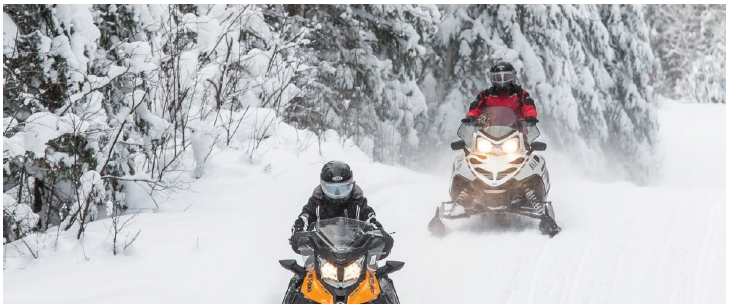
    prise en charge de l’image

    It’s essential to help safeguard Eeyou land use to maintain current Eeyou way of life. To signify this importance, we evaluated the following components:

    • Navigation: Routes used by the Eeyou on the reservoirs, the Chisasibi (river), also known as the Grande Rivière, and its estuary.

    • Snowmobile Trails: Winter routes used specifically for snowmobile travel.

    • Road Conditions: The Eeyou’s use of roads.

    Eeyou Harvesting activities, camps and campsites can be found in Eeyou Land Use: Part 1 fact sheet.

    Key Takeaways

    Expected changes:

    • Various mitigation measures will help minimize the changes to Eeyou land use, notably by maintaining ongoing communication to inform Eeyou communities of changes that will occur and by ensuring the safety of Eeyou land users who travel and engage in activities in the area.

    How was Eeyou knowledge Incorporated into the Study?

    Interviews with Eeyou land users identified navigation routes along the reservoirs, the Chisasibi (river), and its estuary. Types of boats used, locations of boat ramps and navigation obstacles (such as sandbars, rapids and debris) were shared. Snowmobile trails used along the reservoirs and along the roads were also identified. Eeyou land users do not travel with snowmobiles on the La Grande 1 reservoir or the Chisasibi (river), as it can be dangerous. Eeyou land users travel on snowmobile trails that run along or cross the Transtaïga Road, the Billy-Diamond Highway and La Grande-3 access road.

    Expected Changes

    Navigation

    Water levels and flow may change downstream of the La Grande-4, La Grande-3 and Robert-Bourassa (La Grande-2) generating stations. However, these changes will be small and are not expected to significantly affect Eeyou navigation.

    Snowmobile Trails

    No significant changes are expected regarding ice conditions along the snowmobile trails used by the Eeyou on the La Grande 4, La Grande 3 and Robert Bourassa (La Grande 2) reservoirs. Changes to the ice will occur downstream of the La Grande-3 generating station, but this should not affect the snowmobile trails used by the Eeyou, since they are located a good distance from the area that will be affected.

    Road Conditions

    During construction, the proposed upgrades are expected to result in increased traffic, especially trucks and oversized vehicles on the Billy-Diamond Highway, the Transtaïga Road, and the La Grande-3 and La Grande-4 access roads, which could pose safety risks to land users travelling along or crossing the roads.


    Download the Navigation, Land Access and Travel Factsheet.

    Eeyou navigation, snowmobile trails and road conditions will all be significantly affected by climate change. For more information, refer to the Climate Change Factsheet.

  • ᐋᑳ ᒦᔻᑭᒥᒡ , ᓂᐲ ᑭᔮᐦ ᓂᒫᓯᒡ ᐋᑳ ᒦᔪᔒᔑᐦᒡ | Water Quality, Fish and Aquatic Habitats
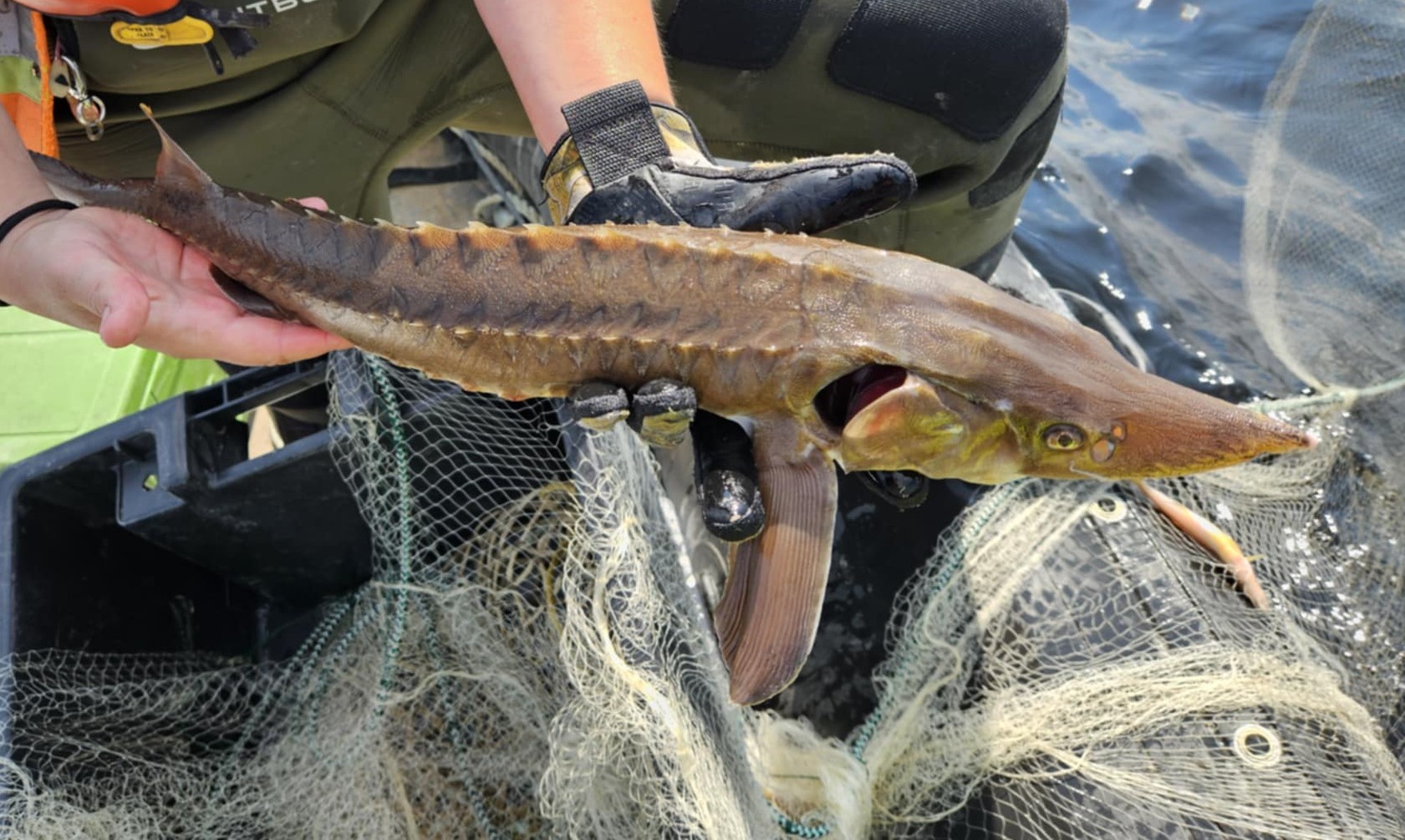
    prise en charge de l’image

    Protecting wildlife and their habitats is important to the Eeyou to maintain availability and quality of resources gathered, resulting in food. To signify the importance, we evaluated water quality, fish communities and aquatic habitats.

    Key Takeaways

    • Studies show that water quality in the study area is generally good and will remain that way.

    • Data on Lake Trout will be collected in the La Grande 4 reservoir.

    • No changes are expected to mercury levels in fish. A fact sheet on mercury is available.

    How was Eeyou Knowledge I

    Protecting wildlife and their habitats is important to the Eeyou to maintain availability and quality of resources gathered, resulting in food. To signify the importance, we evaluated water quality, fish communities and aquatic habitats.

    Key Takeaways

    • Studies show that water quality in the study area is generally good and will remain that way.

    • Data on Lake Trout will be collected in the La Grande 4 reservoir.

    • No changes are expected to mercury levels in fish. A fact sheet on mercury is available.

    How was Eeyou Knowledge Incorporated into the Study?

    Several community members participated in water quality and fish surveys in 2025. Land users reported concerns about water quality issues in the reservoirs. Because of this, most of the Eeyou land users prefer not to consume water in the reservoirs. Some Eeyou land users do not fish on the reservoirs because of concerns regarding fish and water quality.

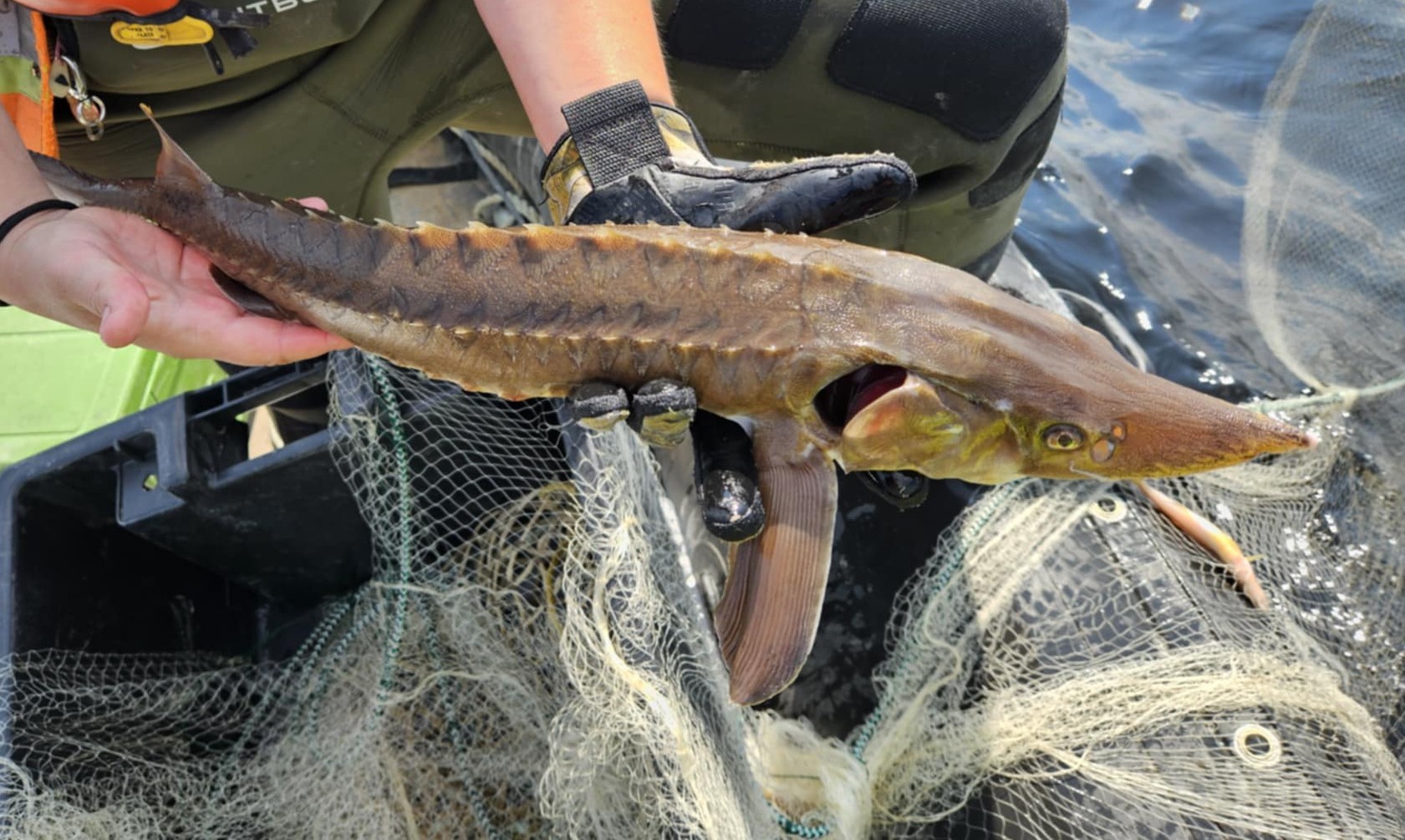
    During a workshop held in Chisasabi, participants noted the presence of Lake Trout, suckers, Lake Whitefish, Lake Cisco, Walleye and Lake Sturgeon in the reservoirs. Some also reported a general decline in fish abundance over the last decade.

    Expected Changes

    Water Quality

    La Grande-4

    No significant changes are anticipated to water quality within the reservoir or downstream of La Grande-4.

    La Grande-3

    No significant changes are anticipated to water quality within the reservoir or downstream of La Grande-3.

    Robert-Bourassa (La Grande-2) / La Grande-1

    Water level changes are expected to stay within the range seen in recent years. Most changes would happen in winter, when ice along the shoreline helps protect against erosion. Downstream of La Grande-1, no changes are expected.

    Fish Communities and Aquatic Habitats

    The results of fish community monitoring conducted by Hydro-Québec in the reservoirs showed that fish numbers were highest during the first few years after flooding. Over the following 10 years, fish numbers returned to about the same levels as before flooding.

    In the La Grande-4 sector, it is not yet known whether lower water levels could affect areas where Lake Trout lay their eggs because these areas have not been fully identified. No measurable effects on spawning, egg survival, or fish embryo development are expected downstream of La Grande-4. Downstream of La Grande-3, small changes in water depth and flow are not expected to affect Lake Whitefish or Lake Trout because it will remain within the range suitable for these species.

    While water quality will be minimally affected by climate change, it is unknown whether fish communities and aquatic habitats will be affected. For more information, refer to the Climate Change Factsheet.

  • ᐋᐦ ᓈᓂᑑᒋᓰᒑᐃᑎᑭᓂᐎᒡ ᐊᔅᒌ | Eeyou Archaeological and Cultural Heritage
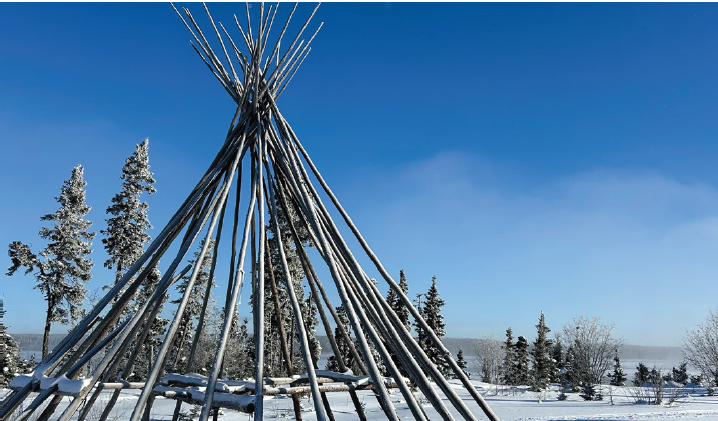
    prise en charge de l’image

    It's important to preserve and safeguard archaeological resources and elements of Eeyou heritage, as they bear witness to thousands of years of human occupation of the territory. Eeyou heritage sustains traditional knowledge, and anchors the self-governance and identity of the Eeyou Nation in Eeyou Istchee.


    Key Takeaways

    Expected changes: Expected to remain similar.

    Mitigation measures for archaeological resources include surveys and investigations in areas where erosion could lead to changes at archaeological sites or places with archaeological potential.


    How was Eeyou Knowledge Incorporated into the Study?

    Through interviews with Eeyou community members and with information shared by the Cree Nation

    It's important to preserve and safeguard archaeological resources and elements of Eeyou heritage, as they bear witness to thousands of years of human occupation of the territory. Eeyou heritage sustains traditional knowledge, and anchors the self-governance and identity of the Eeyou Nation in Eeyou Istchee.


    Key Takeaways

    Expected changes: Expected to remain similar.

    Mitigation measures for archaeological resources include surveys and investigations in areas where erosion could lead to changes at archaeological sites or places with archaeological potential.


    How was Eeyou Knowledge Incorporated into the Study?

    Through interviews with Eeyou community members and with information shared by the Cree Nation Government, many culturally important places were identified within the study area. These include burial sites, former camps and gathering areas, former dwellings and travel routes, and places connected to Eeyou history and stories. Some of these places are now underwater because of earlier hydroelectric development, while others remain visible.

    Examples that remain visible include burial sites, former gathering places, and the former village of Fort George, which remains an important cultural and historical place for the people of Chisasibi.


    Expected Changes

    Archaeological Resources

    Studies identified many known archaeological sites and areas with archaeological potential throughout the study area. Most known sites were flooded during the original development of the La Grande hydroelectric complex. Some shoreline archaeological sites and areas with archaeological potential are currently affected by erosion.

    The capacity upgrades are not expected to result in changes to known archaeological sites along La Grande 4, La Grande 3 and Robert Bourassa (La Grande 2) reservoirs. However, erosion could increase in some areas of the La Grande 1 reservoir and may lead to changes at locations with archaeological potential near traplines CH01, CH09 and CH36 (KP 103, KP 102, KP 99, KP 98 and KP 90).


    Eeyou Heritage Elements

    Many Eeyou heritage elements were identified during the study, including burial sites, former camps, gathering places, former travel routes and culturally important locations. The potential capacity upgrades are not expected to result in changes to these heritage elements.

    Ongoing engagement with Eeyou communities will help ensure that culturally important places continue to be considered throughout planning for the capacity upgrades.


    Download the Archaeological and Cultural Heritage Factsheet


    The visibility and presence of archaeological resources and Eeyou heritage elements could be affected by climate change. For more information, refer to the Climate Change factsheet.

  • ᓂᐲ ᐋ ᐐᐦ ᒥᔻᑭᒥᐦᑖᑭᓂᐎᒡ ᑭᔮᐦ ᐋᐦ ᐄᔥᑳᐴᔑᑎᑭᓂᐎᒡ | Sediment Movement and Water Quality
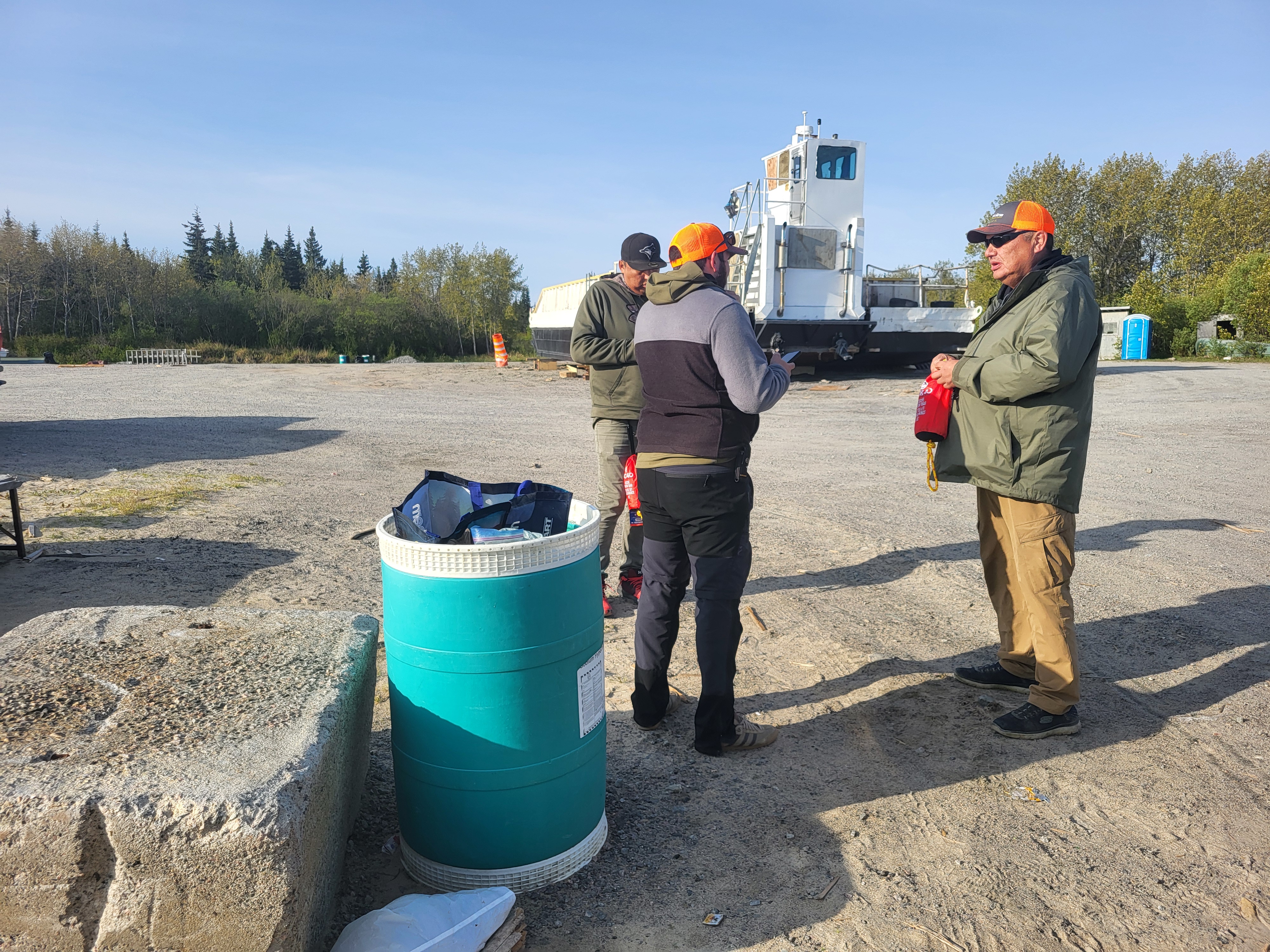
    prise en charge de l’image

    Helping to preserve the estuary is important for the Eeyou as it supports healthy aquatic plants and wildlife habitats. To signify this importance, we evaluated the following components:

    • Estuarine Sediment Movement: How sediment (sand, silt, mud) moves, settles and is eroded within an estuary (where freshwater from a river meets saltwater from the ocean).

    • Estuary Water Quality: Overall condition of the water in an estuary and how suitable it is for eelgrass beds, which support fish, wildlife and other aquatic life.

    Key Takeaways

    Expected changes:

    • Mitigation measures will help lessen the changes to estuary sediment dynamics and water quality. Some measures include implementing gradual changes in water flow and levels.

    How was Eeyou Knowledge Incorporated into the Study?

    Field campaigns on water quality and salinity were conducted, where community members joined the team to collect samples. During conversations in the field and in workshops, Eeyou land users noted increased river flows since the Rupert diversion, which they associate with increased shoreline erosion, water cloudiness and woody debris in the Chisasibi (river), also known as the Grande Rivière.

    Eeyou met during different activities, particularly in Chisasibi, have also reported environmental changes in the Chisasibi (river) estuary and surrounding coastal areas, particularly an increase in freshwater influence, decline in eelgrass beds, changes in wildlife and vegetation, and an observed reduction in salt levels in water.

    Expected Changes

    Estuary Sediment Movement

    Since its construction, the La Grande hydroelectric complex has altered estuary and sediment movement. As no turbine upgrades are planned at La Grande-1, little to no change in flow conditions is expected within the estuary because of the capacity upgrades. As a result, sediment transport and shoreline erosion are expected to continue under conditions similar to those observed today.

    Estuary Water Quality

    The proposed capacity upgrades are expected to result in only slight changes to water quality in the Chisasibi (river) estuary. Changes to water salinity (the amount of salt in the water) would be much smaller than the natural changes caused by tides and seasonal water levels. Overall, studies show that the estuary would continue to function much as it does today, with no major changes expected to water quality or salinity.


    Download the Sediment Movement and Water Quality Factsheet.


    Only limited changes to estuary sediment movement and water quality are expected as a result of climate change. For more information, refer to the Climate Change Factsheet.

  • ᓰᐲ ᐋᐦ ᐱᒫᒎᐎᒡ ᑭᔮᐦ ᐋᔅᐱᑖᑎᒦᔨᒡ | River Flows and Water Levels
    prise en charge de l’image

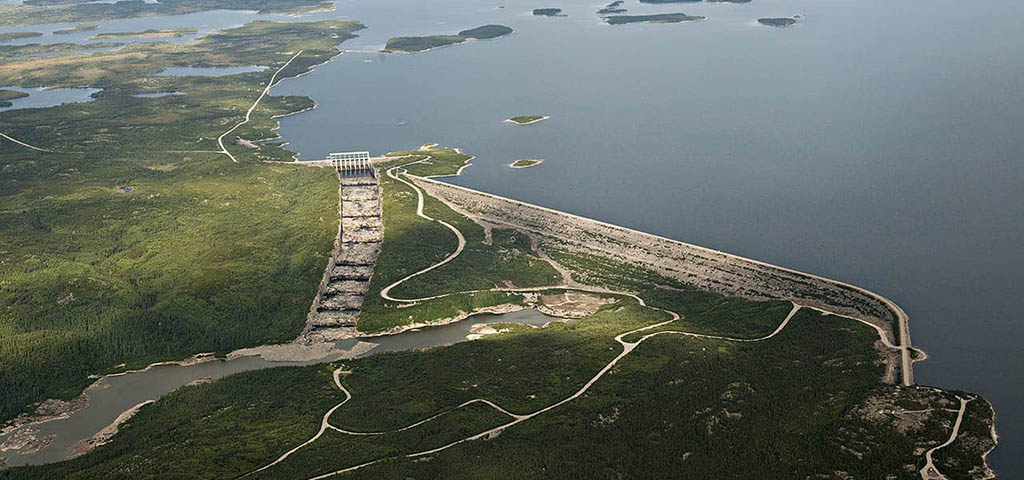
    Managing water flows and reservoir levels is important to the Eeyou because these waterways support travel and a variety of harvesting and cultural activities.

    Maintaining suitable water conditions on the reservoirs, downstream reaches and the Chisasibi (river), also known as the Grande Rivière, helps support continued access to these traditional land uses. To signify the importance, we evaluated the following components:

    • Water flow: How much water moves through a downstream river system.

    Managing water flows and reservoir levels is important to the Eeyou because these waterways support travel and a variety of harvesting and cultural activities.

    Maintaining suitable water conditions on the reservoirs, downstream reaches and the Chisasibi (river), also known as the Grande Rivière, helps support continued access to these traditional land uses. To signify the importance, we evaluated the following components:
    • Water flow: How much water moves through a downstream river system.

    • Water level: How high the water is over time, associated with the energy in a reservoir (upstream).

    How was Eeyou Knowledge Incorporated into the Study?

    During environmental surveys and Ayimihiituunaanuwich meetings, Eeyou land users communicated their concerns and priorities regarding river management.

    Results of Hydrological and Hydraulic Studies

    Simulation studies (computer modelling (computer modeling tools that determine reservoir levels and downstream flows) were conducted to examine possible changes in water levels and flow that could result from the potential capacity upgrades. Although the modelling results indicate general trends, annual variability will continue to influence water levels and flows.

    La Grande-4

    The simulations show that the average water level of the reservoir is expected to be moderately lower (0.6 to 1.5 m or 2 to 5 feet) during the winter and spring period. These changes are not expected to alter snowmobile travel on the reservoir but they could change winter harvesting activities along the reservoir shoreline. They could also alter the survival of Lake Trout eggs along the reservoir shoreline. Navigation conditions may also change in June due to lower water levels.

    In the downstream portion, water levels and flow could increase for ± 7 km below the La Grande-4 generating station. During periods when the most water is being released, water levels could rise by up to about 1 m (3 feet) near the station and water could flow faster (0.5 to 0.75 metres per second), especially in rapids, but these changes are not expected to affect fishing or navigation conditions.

    La Grande-3

    The simulations show that the average water level of the reservoir is expected to be slightly lower (0.1 to 0.5 m or 0.5 to 2 feet) in summer and fall, following the upgrade. Snowmobile trails, navigations routes and harvesting areas used by Eeyou on the reservoir are not expected to experience negative changes.

    In the downstream portion, water levels and flow could slightly increase for ± 7 km downstream of the La Grande-3 generating station. These increases may change the ice cover, which could lead to changes in the presence of geese and ducks at spring waterfowl hunting sites.

    Robert-Bourassa (La Grande-2) / La Grande-1

    The simulations show that the average water level in Robert Bourassa (La Grande 2) reservoir is expected to be moderately higher (0.6 to 1.5 m or 2 to 5 feet) during winter. This situation is not expected to affect snowmobile trails, navigations routes or harvesting areas used by Eeyou on the reservoir.

    In the upper part of the La Grande 1 reservoir, minor changes in water flow and water levels are expected to occur in a section extending ± 24 km downstream of the Robert-Bourassa (La Grande-2) generating station. These changes are expected to be too minor to affect fishing and navigation conditions.


    Download the Factsheet on River Flows and Water Levels.


    Water flow and level may be affected by climate change. For more information, refer to the Climate Change Factsheet.


  • ᒥᔅᑯᒦ ᐋ ᓈᓂᑑᒋᔅᒑᐄᒪᑭᓂᐎᒡ | Ice Cover

    prise en charge de l’image

    Ice is an important component of Eeyou land use, particularly for snowmobile travel and hunting.

    Key Takeaways

    Expected changes:

    • A slight increase in the size of the existing ice-free zone downstream of the La Grande-3 generating station, which could result in changes to the presence of geese and ducks at waterfowl hunting sites used by Eeyou land users.

    • In the main reservoir areas, no significant changes to ice conditions or access are expected.

    • Near the intakes and downstream of La Grande-4 and La Grande-3, existing unsafe areas could become slightly larger and ice

    Ice is an important component of Eeyou land use, particularly for snowmobile travel and hunting.

    Key Takeaways

    Expected changes:

    • A slight increase in the size of the existing ice-free zone downstream of the La Grande-3 generating station, which could result in changes to the presence of geese and ducks at waterfowl hunting sites used by Eeyou land users.

    • In the main reservoir areas, no significant changes to ice conditions or access are expected.

    • Near the intakes and downstream of La Grande-4 and La Grande-3, existing unsafe areas could become slightly larger and ice conditions could become more fragile.

    • Near Chisasibi, no significant changes to ice conditions are expected.

    How was Eeyou Knowledge Incorporated into the Study? 

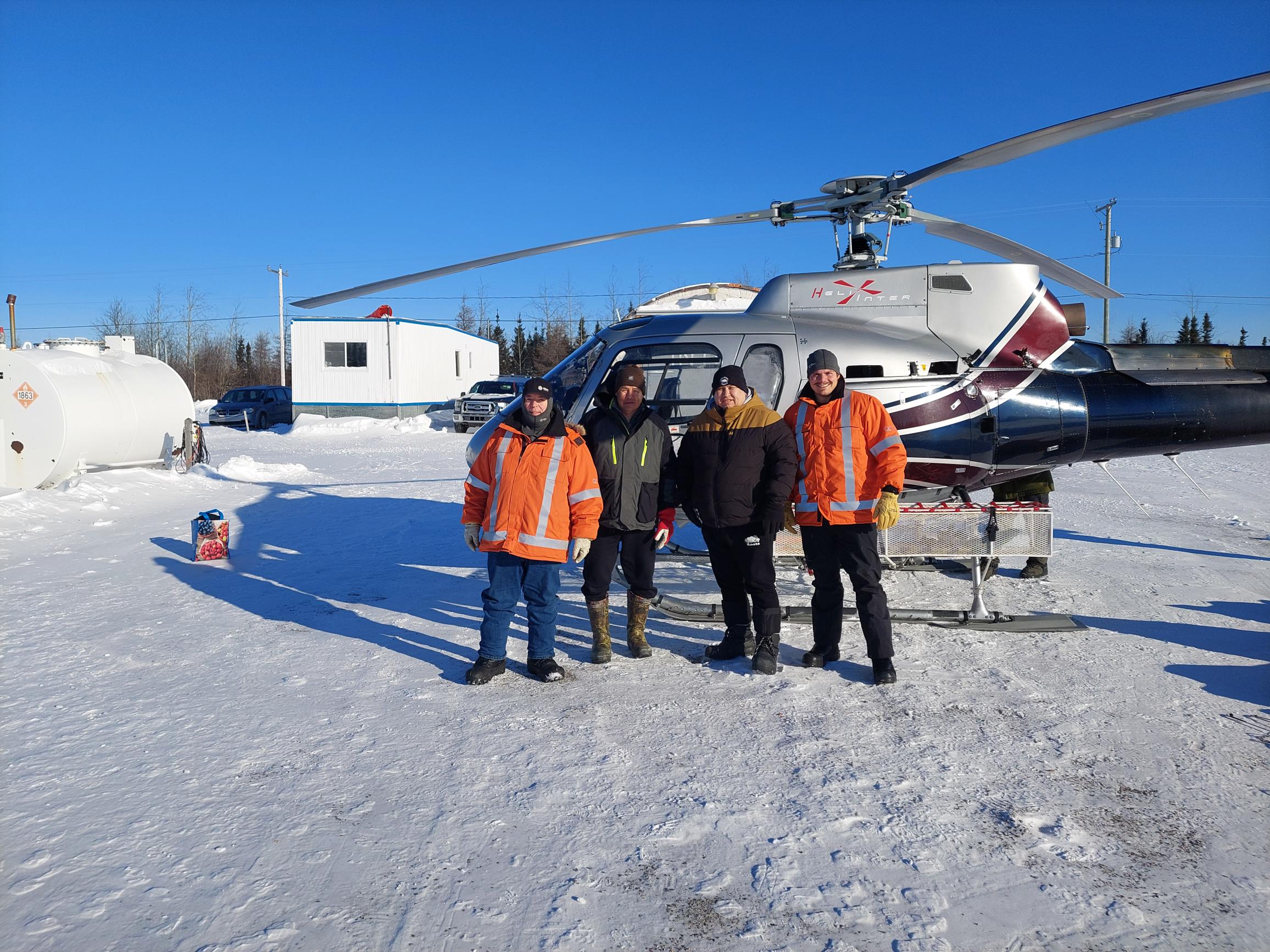
    From January to April 2025, Chisasibi community members joined the technical team to conduct ice and thermal regime field studies. Five Chisasibi Eeyou participated in the field program, assisting with the January field campaign, March aerial surveys, and additional aerial surveys and sampling activities in April.

    In early April 2025, a workshop was done to gather Eeyou knowledge on ice. The discussions at the workshop brought valuable insight on winter and spring ice conditions and the river crossings used by caribou during the winter, contributing to a better understanding of seasonal wildlife movements and land use. In January, March and April 2026, Chisasibi Eeyou joined the ice study campaign, conducting multiple flyovers covering samplings from La Grande-1 to La Grande-4.

    Results of Environmental Surveys

    Considering the conditions described below, no significant changes to ice formation are expected as a result of the potential capacity upgrades, and ice cover is expected to remain safe for travel. Overall ice thickness is expected to remain similar to current conditions. However, ice may become thinner in a few areas near water intake structures, where water moves faster, and near the upper area of reservoirs. During late spring, ice is expected to thin and weaken as it normally does. No changes are expected in the way ice breaks or deteriorates.

    La Grande-4 and La Grande-3

    Upstream of the La Grande 4 and La Grande 3 reservoirs, water levels could be lower than under current winter conditions, declining more rapidly until late February and then more gradually through March and April. The ice edge could be slightly farther from shore, exposing some rocks and small islands.

    Downstream of La Grande-4 and La Grande-3, water flow could increase in certain locations, resulting in higher water speed, especially in January when power demand peaks. In these unsafe areas, existing open water and thin ice could extend over a larger area and persist for longer periods.

    Robert-Bourassa (La Grande-2) / La Grande-1

    At Robert-Bourassa (La Grande-2), water levels could decrease more slowly during January and February, resulting in slightly higher water levels by the end of February compared to current conditions. During this time, the ice edge could be closer to shore. Water levels could then decrease more quickly in March and April.

    Ice conditions are not expected to change significantly as a result of the capacity upgrades in the La Grande 1 reservoir, on the Chisasibi (river), also known as the Grande Rivière, and its estuary.

    Changes to ice cover are expected as a result of climate change. For more information, refer to the Climate Change factsheet.

  • ᐄᔑᔥᑲᐧᐱᔨᐤ ᓰᐲ ᐋᓯᒌᔅᒡ ᑳ ᒥᔪᐱᒥᔮᔨᒡ | Erosion and shoreline stability
    prise en charge de l’image

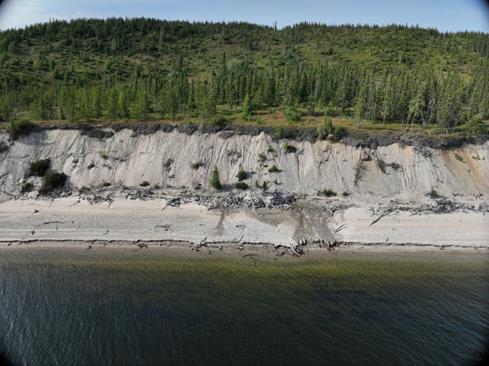
    Having stable riverbanks is important for the Eeyou to safeguard cultural landmarks and to have access to shoreline resources. To signify the importance, we evaluated the following component:

    Erosion: A dynamic process by which soil, rock, or other surface materials are worn away and moved from one place to another by natural forces.

    Download the Erosion and Shoreline Stability Factsheet.

    Key Takeaways

    Expected changes:

    Overall, shoreline erosion conditions are expected to remain similar to the present day.


    How was Eeyou Knowledge Incorporated into the Study?

    Eeyou participation played a key role in the 2025 field studies on erosion along

    Having stable riverbanks is important for the Eeyou to safeguard cultural landmarks and to have access to shoreline resources. To signify the importance, we evaluated the following component:

    Erosion: A dynamic process by which soil, rock, or other surface materials are worn away and moved from one place to another by natural forces.

    Download the Erosion and Shoreline Stability Factsheet.

    Key Takeaways

    Expected changes:

    Overall, shoreline erosion conditions are expected to remain similar to the present day.


    How was Eeyou Knowledge Incorporated into the Study?

    Eeyou participation played a key role in the 2025 field studies on erosion along the Chisasibi (river), also known as the Grande Rivière. Eeyou land users joined the research team to share knowledge and observations. They provided insights on riverbank changes downstream of La Grande-3 during a flyover, contributed photos and details about a major 2003 landslide in the La Grande 1 reservoir area, and helped survey the estuary and a comparison area on the south bank.

    Since the La Grande development, their observations highlighted increased erosion, loss of traditional use areas and risks to culturally significant sites, despite some shoreline protection efforts. For the Eeyou, the Chisasibi (river) was traditionally and is still a major travel route and a cultural landmark. Erosion currently occurring due to the operation of the La Grande complex not only alters the landscape but also creates navigation hazards and threatens important community, cultural and heritage sites.

    Results of Environmental Surveys

    Downstream La Grande-4

    Shoreline erosion along La Grande-4 is generally low and limited to small, sandy areas. Two small sections, representing about ±80m (±260 feet) of shoreline, may be slightly more vulnerable to increased erosion where erosion already exists, but overall, water level changes are minimal and unlikely to worsen erosion.

    Downstream La Grande-3

    Further downstream the generating station, water moves very slowly under both current and future conditions. The capacity upgrades are not expected to increase shoreline erosion, as the shorelines are mainly made of rock and bedrock, which are much more resistant to erosion than sand.

    Downstream Robert-Bourassa (La Grande-2, also the Upper La Grande 1 Reservoir)

    About 1/5 of the La Grande 1 reservoir shoreline is already eroding, mainly in the middle, and most of this erosion is caused by the natural water movement and waves.

    The capacity upgrades are not expected to create new areas of erosion. Changes in water levels are expected to remain within the range seen in recent years, and most changes would occur during winter when ice cover helps protect the shoreline.

    Downstream La Grande-1

    No significant changes in water flow or levels are anticipated downstream of La Grande-1 during construction or operation, therefore, the capacity upgrades should not change erosion along the Chisasibi (river) and the Estuary.


    Limited changes to shoreline stability are expected as a result of climate change. For more information, refer to the Climate Change factsheet.


  • ᑖᓂᑖᐦ ᐋ ᑎᐹᒦᑖᒡ ᐊᓂᒌ ᐋᐙᓰᓯᒡ ᐊᑎᐦᒄ, ᒨᔅ ,ᐊᒥᔅᒄ | Wildlife: Caribou, Moose and Beaver
    prise en charge de l’image

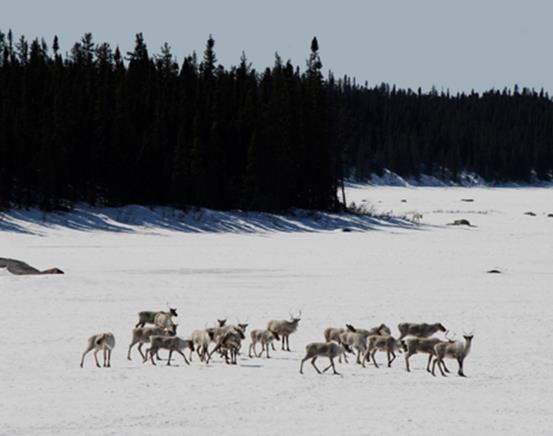
    Protecting wildlife and their habitats is essential to ensuring that the Eeyou continue to have access to these resources. To reflect this importance, we evaluated the following component:

    Caribou, Moose and Beaver: These animals are important to the Eeyou and are present within the study area. Traditional knowledge provided by community members helped establish an overview of areas considered important for these species near the capacity upgrades.

    Key Takeaways

    Expected changes:

    During construction, and only near roads with heavy transportation.

    No change expected during operation

    Protecting wildlife and their habitats is essential to ensuring that the Eeyou continue to have access to these resources. To reflect this importance, we evaluated the following component:

    Caribou, Moose and Beaver: These animals are important to the Eeyou and are present within the study area. Traditional knowledge provided by community members helped establish an overview of areas considered important for these species near the capacity upgrades.

    Key Takeaways

    Expected changes:

    During construction, and only near roads with heavy transportation.

    No change expected during operation.

    • Mitigation measures will help reduce the risk of collisions between vehicles and wildlife. For example, warning signs could be installed in areas identified by Eeyou land users as having a higher risk of collisions with large wildlife, including caribou and moose.

    How was Eeyou knowledge Incorporated into the Study?

    Eeyou tallymen and land users identified caribou, moose and beaver as the most important species for study. During interviews with Eeyou land users, the study team found out that moose usually spend the winter in young forest areas where they can find food and shelter. During the summer, they may spend some time near reservoir shorelines. Moose are also gradually moving farther north, likely to avoid human activity, predators such as wolves, and areas recently affected by wildfire.

    Eeyou land users also identified the migration routes and feeding areas used by caribou on and around the reservoirs and the roads concerned by the capacity upgrades. Caribou migration routes can change from year to year due to different factors such as forest fires, which can destroy the lichen that caribou rely on for food. Eeyou land users also reported that beavers generally avoid reservoirs shorelines and instead prefer small networks of streams, creeks and rivers, that are less affected by changes in water levels.

    Expected Changes

    Construction Phase

    The transport of large equipment and increased traffic on the Transtaïga could temporarily disturb wildlife. It could increase the risk of vehicle collisions with wildlife, especially moose and caribou, which are sometimes attracted to road salt. Traffic may also cause animals to change their travel routes or avoid certain areas.

    Operation Phase

    The anticipated changes in flow and water levels are not expected to cause significant changes to wildlife. Since beavers do not build their lodges along the edges of reservoirs and have already adapted to changing water conditions, no loss of beaver habitat is expected.

    Changing flow and water levels could result in changes to ice conditions, including thinner ice in a few areas upstream of the La Grande 3 reservoir where caribou are known to travel. However, caribou are expected to adapt to ice cover variations. Ice cover may also become a bit more fragile in the La Grande 1 reservoir. Considering that no caribou migration routes have been identified within the Robert-Bourassa (La Grande-2) / La Grande-1 sector, no changes to caribou migration are expected.

    No negative changes to moose or their habitat are expected as a result of the capacity upgrades.

    Significant changes to caribou, moose and beaver are expected as a result of climate change. For more information, refer to the Climate Change Factsheet.


  • ᓂᓈᑰᐤ ᐋ ᐄᔅᐲᔨᒡ ᒌᔑᒄ | Climate Change

    Understanding climate change is important to Eeyou because it can change many aspects of Eeyou way of life, culture and traditions. It’s important to note the difference between weather and climate:

    • Weather: Atmospheric conditions at a precise moment in a certain region. It can change very quickly.

    • Climate: Accumulated weather patterns over a long period of time (e.g., 30 years), across all seasons.

    For example:

    • Weather = how you would dress today.

    • Climate = all the clothes in your closet.

    Key Takeaways

    Climate change will gradually alter environmental conditions

    Understanding climate change is important to Eeyou because it can change many aspects of Eeyou way of life, culture and traditions. It’s important to note the difference between weather and climate:

    • Weather: Atmospheric conditions at a precise moment in a certain region. It can change very quickly.

    • Climate: Accumulated weather patterns over a long period of time (e.g., 30 years), across all seasons.

    For example:

    • Weather = how you would dress today.

    • Climate = all the clothes in your closet.

    Key Takeaways

    Climate change will gradually alter environmental conditions over time, regardless of the proposed capacity upgrades.

    Projected changes in Eeyou Istchee:

    • Shorter snowmobile travel season due to later ice formation and earlier spring thaw.

    • Changes in water levels may create challenges for accessing harvesting areas and navigating safety.

    • Modifications in caribou habitat and behaviour, and other species, may alter the availability and condition of resources.

    Water level, flow and ice cover are expected to experience the most significant changes as a result of climate change:

    • Annual turbine flows will increase slightly to account for increased precipitation.

    • Reservoir water levels will be kept slightly lower in the summer and fall to provide extra room for rainfall, since heavier precipitation is expected to become more common.

    • Ice cover will be delayed in the winter, thaw earlier in the spring and decrease in thickness (between 4-15 cm or 1.5-6 inch).

    Results from Climate Research

    Projected Changes to Eeyou Istchee Landscape

    Average temperatures are expected to increase by about 4°C in summer and 7°C in winter by the end of the century (2071-2100). Total precipitation is expected to increase by 15 to 20%, while total snowfall is expected to remain about the same. The annual probability of forest fires is expected to increase by 2 to 3% by 2050, especially in the area between Chisasibi and La Grande-1.


    Download the Climate Change Factsheet.

Dernière mise à jour de la page: 13 nov 2026, 07h36