ᒦᓐ ᐋᑎᑎᐤ ᐋᒌ ᐋᑎᑎᐤ ᒋᔅᒑᔨᑎᑭᓄᐎᒡ ᑖᓂᑖᐦ ᐋᑎ ᐄᔨᑎᒃ ᐋᔨᔨᐤ ᐋᐹᒥᑎᑖᑦ ᐊᓂᑖᐦ ᓂᑑᐦᐆᒋᒡ | Eeyou Harvesting and Traditional Land Use
It’s important to help safeguard Eeyou land use and activities to help maintain Eeyou way of life. To signify this importance, we evaluated the following components:
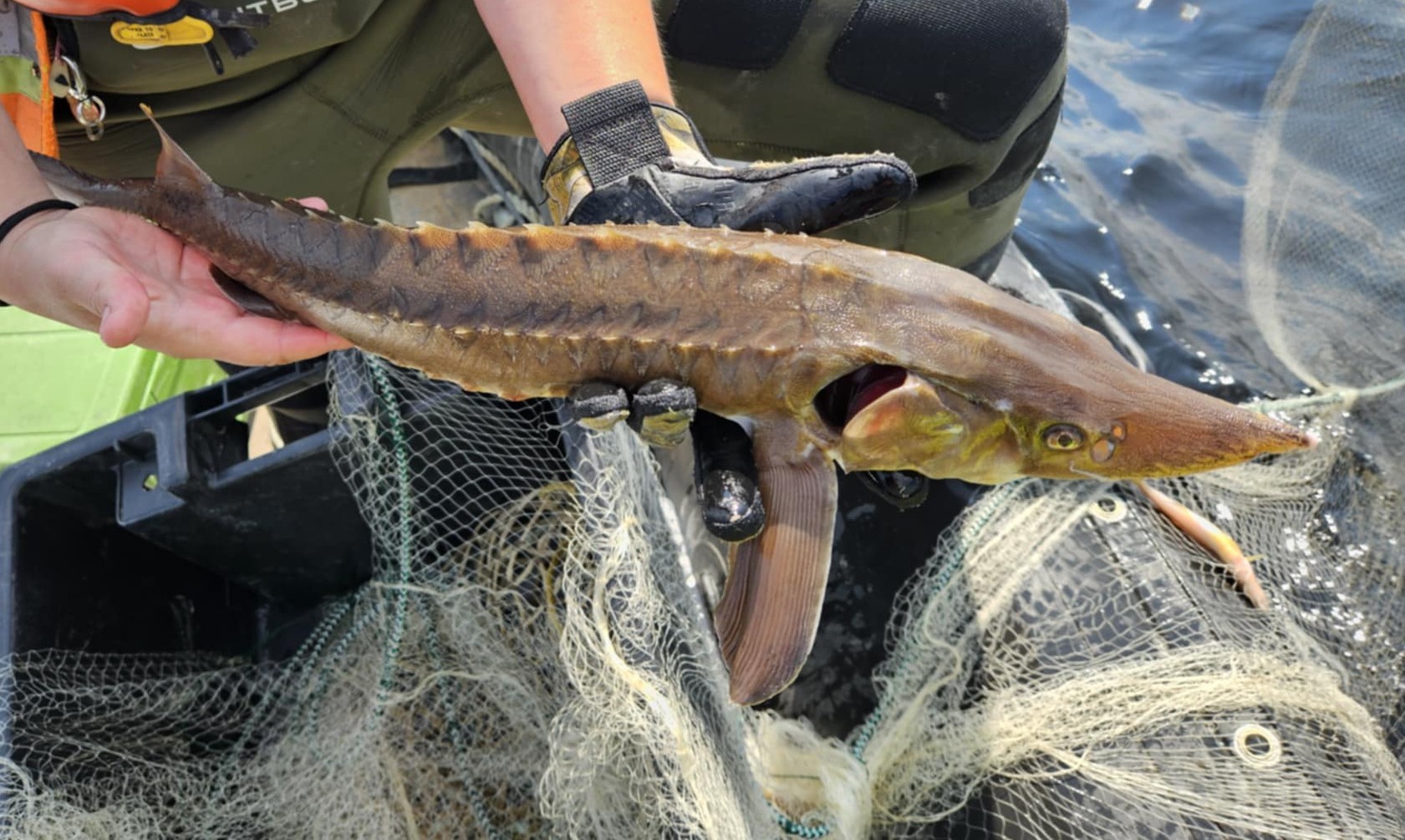
Eeyou Harvesting Areas: Places where people go to hunt, fish, trap, gather berries or harvest other resources.
Resource Availability and Quality: The presence, abundance and condition of plants and animals that people harvest, such as fish, caribou or moose, berries and other resources.
Camps and Campsites: Cabins, camps, tent frames and temporary camping areas used while travelling, harvesting or spending time on the territory with family.
Eeyou navigation and travel routes can be found in the Eeyou Land Use: Navigation, Land Access and Travel Part 2 Factsheet.
Key Takeaways
Expected changes:
Mitigation measures will help lessen the changes to Eeyou harvesting areas, camps and campsites, as well as on resource availability. Some mitigation includes using low noise equipment, informing camp users about construction activities in advance and overseeing fishing activities with additional workers.
How was Eeyou Knowledge Incorporated into the Study?
Eeyou land users are present in the area for the potential capacity upgrades throughout the year. In the spring, waterfowl hunting takes place, while fishing and berry picking are common summer activities. During fall, Eeyou land users hunt moose, bear and small game. Winter is when trapping and caribou hunting is most common.
Eeyou land users identified their numerous harvesting areas, as well as the locations of their camps and campsites, describing how and when they are used throughout the year. This information helped the study team understand the importance of these places and assess how the capacity upgrades could change Eeyou land use.
Expected Changes
Eeyou Harvesting Areas
During construction, noise, dust, traffic and the presence of additional workers may temporarily reduce the peaceful enjoyment of some Eeyou harvesting areas near the generating stations and along the roads. Increased traffic may also create safety risks for land users carrying out harvesting activities along roads.
Beginning during construction and continuing through operation, water level in the La Grande 4 reservoir is anticipated to be noticeably lower than it currently is during the winter (February and March). It is also expected to be lower in June, which could result in changes to some Eeyou harvesting areas visited during these seasons.
Resource Availability
During the construction and operation phases, no increase in mercury levels in fish is expected, and no significant changes to fish communities are anticipated.
A slight increase in the size of the existing ice-free zone is expected downstream of the La Grande-3 generating station, which could change the presence of geese and ducks at hunting sites frequented by Eeyou land users in this area.
The increase in heavy traffic could also pose safety risks for Eeyou land users conducting harvesting activities along the roads.
Camps and Campsites
During construction, noise from work areas and increased traffic on the Billy-Diamond Highway, the Transtaïga Road and the access road to La Gande-3 and La Grande-4 may reduce the peaceful enjoyment of camps and campsites used by Eeyou land users. Increased traffic may also create dust near these camps and campsites.
Download the Eeyou Harvesting and Traditional Land Use Factsheet.
Eeyou harvesting areas and resource availability will be significantly affected by climate change. Camps and campsites will be minimally affected by climate change. For more information, refer to the Climate Change factsheet.

Merci pour votre contribution!
Aidez-nous à atteindre un plus grand nombre de personnes dans la communauté
Partagez-le avec votre famille et vos amis