Hydlo and Friends 2.0 - Tipi Talks
Welcome to the Hydlo and Friends - Tipi Talks platform!
The modernization of the generating units at Robert-Bourassa (LG-2), La Grande-3, and La Grande-4 presents us with a unique opportunity to increase our energy capacity.
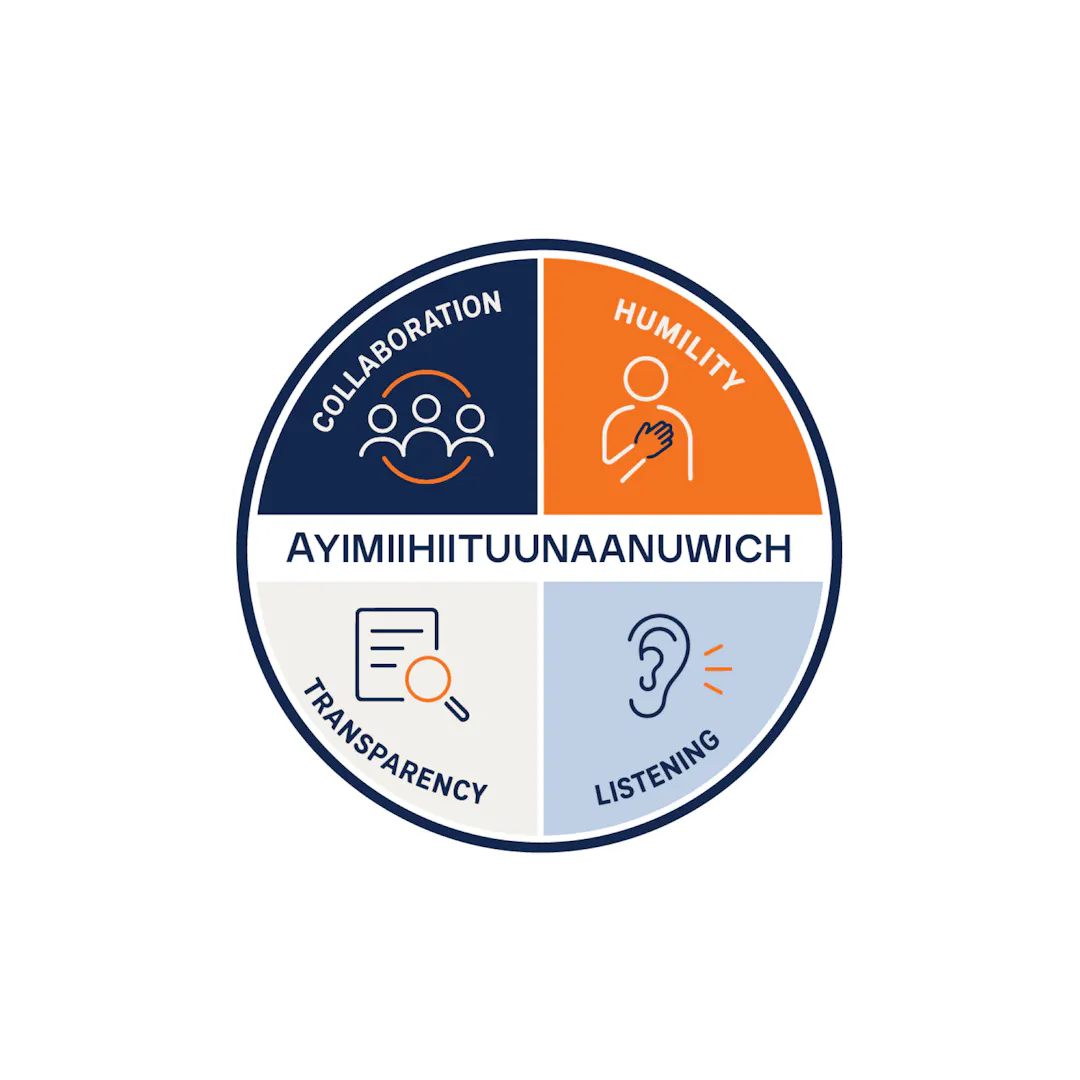
Ayimihiituunaanuwich, which means “dialogue” in Cree, is the name of the joint process established by Hydro‑Québec and the Cree Nation Government to assess the technical, environmental, social and cultural aspects of the potential capacity increases at La Grande.
For Hydro-Québec, this project cannot be carried out without a genuine exchange with the Cree and Jamesian communities. We are opening this space to foster transparent collaboration, where we provide information and your knowledge and concerns are heard.
Below you will find information on the studies under way as well as the Comment Wall to leave your questions, concerns and suggestions.
-
Latest episode of Hydlo and Friends 2.0

Hydlo & Friends 2.0
As part of the ongoing conversations featured on Tipi Talks, Hydlo & Friends 2.0 is a radio show that provides Eeyou Istchee community members and land users with accessible and up-to-date information on Hydro-Québec-related topics concerning their territory. The program explores Hydro-Québec activities ans initiatives, reservoir and water level updates, and other topics of interest.
Through open discussions, interviews, and roundtable conversations, Hydlo & Friends 2.0 creates a space where community voices can be heard, questions can be addressed, and important information can be shared. Guests include community representatives and members, specialists, and individuals involved in Hydro-Québec-related projects and initiatives. The program encourages meaningful dialogue and helps strengthen communication.
If you have questions, concerns, or topics you would like to see discussed in a future episode, we invite you to contact us through Tipi Talks. Your feedback and ideas help shape the conversations that matter most to our communities.
Watch the latest episode and join the conversation here!
-
Caribou, moose and beaver use of the territory
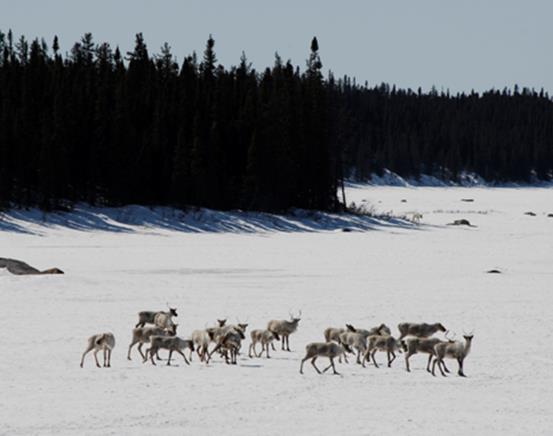
 Wildlife is very important in Eeyou traditional activities, and it is highly dependent on water and shoreline conditions. With the potential La Grande capacity upgrades, changes in water levels, flows and salinity could impact habitats including wetlands, which could in turn affect the presence of animals on the territory.
 To provide context, an analysis of numerous previous study reports (from the 1970s to present) was carried out to describe how environmental and wildlife conditions have changed over time in relation to hydrology and other natural and human influences, such as wildfires and recreational hunting. Combined with information shared by CreePoursuivre la lecture
-
Erosion and shoreline stability
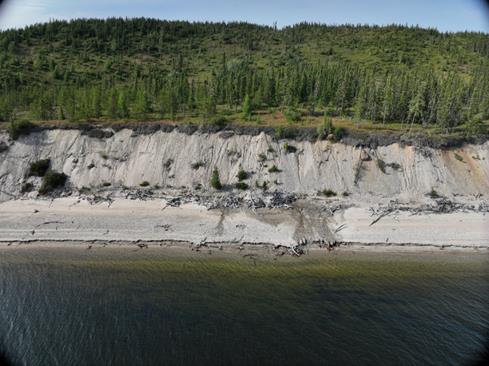
 Navigation safety and shoreline stability are important for land users, as they directly affect travel and the use of La Grande Rivière. Bank, shore and channel conditions can be affected by changes in water levels and flow.
 To better understand the current situation and possible impacts, a survey was carried out in summer 2025 with Eeyou land users. Observations were made on selected segments downstream of La Grande-1, Robert-Bourassa (La Grande-2), La Grande-3 and La Grande-4 generating stations, extending to the river mouth. Simulation studies were also conducted to examine possible changes in water levels and flow that could resultPoursuivre la lecture
-
Joint Process and Environmental Evaluation
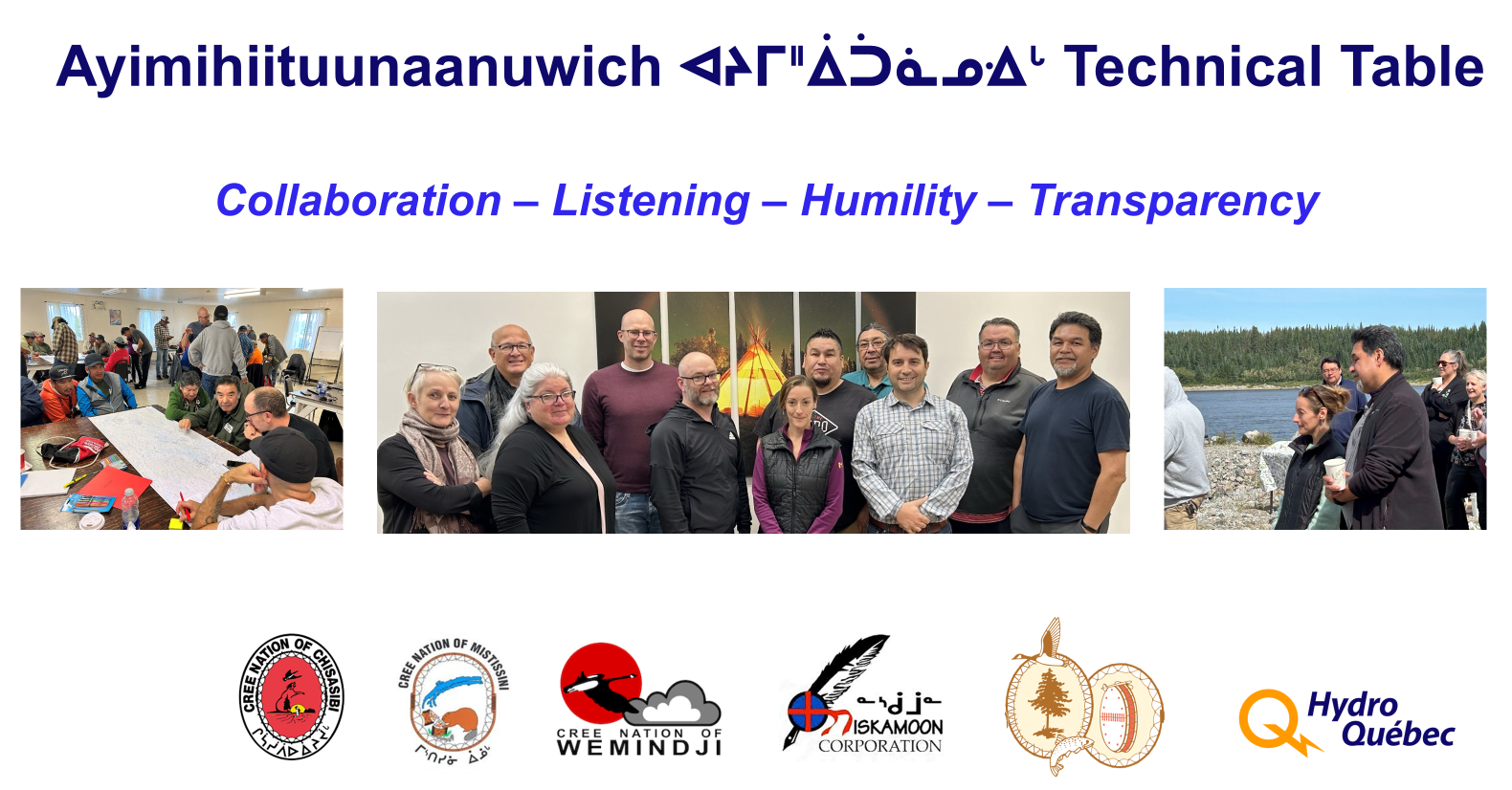
Hydro‑Québec and the Cree Nation established the Ayimihiituunaanuwich Joint Process to assess the technical, environmental, social and cultural aspects of the potential capacity upgrades to Robert‑Bourassa, La Grande‑3 and La Grande‑4 generating stations.
The Technical Table is tasked with developing and implementing the environmental assessment program. The goal of this program is to draw up a current portrait of the natural and social environment, as well as assess the scope and impacts of the potential capacity increases.
 For a description of the various environmental studies and their location, see the environmental studies program and the map of the study areaPoursuivre la lecture
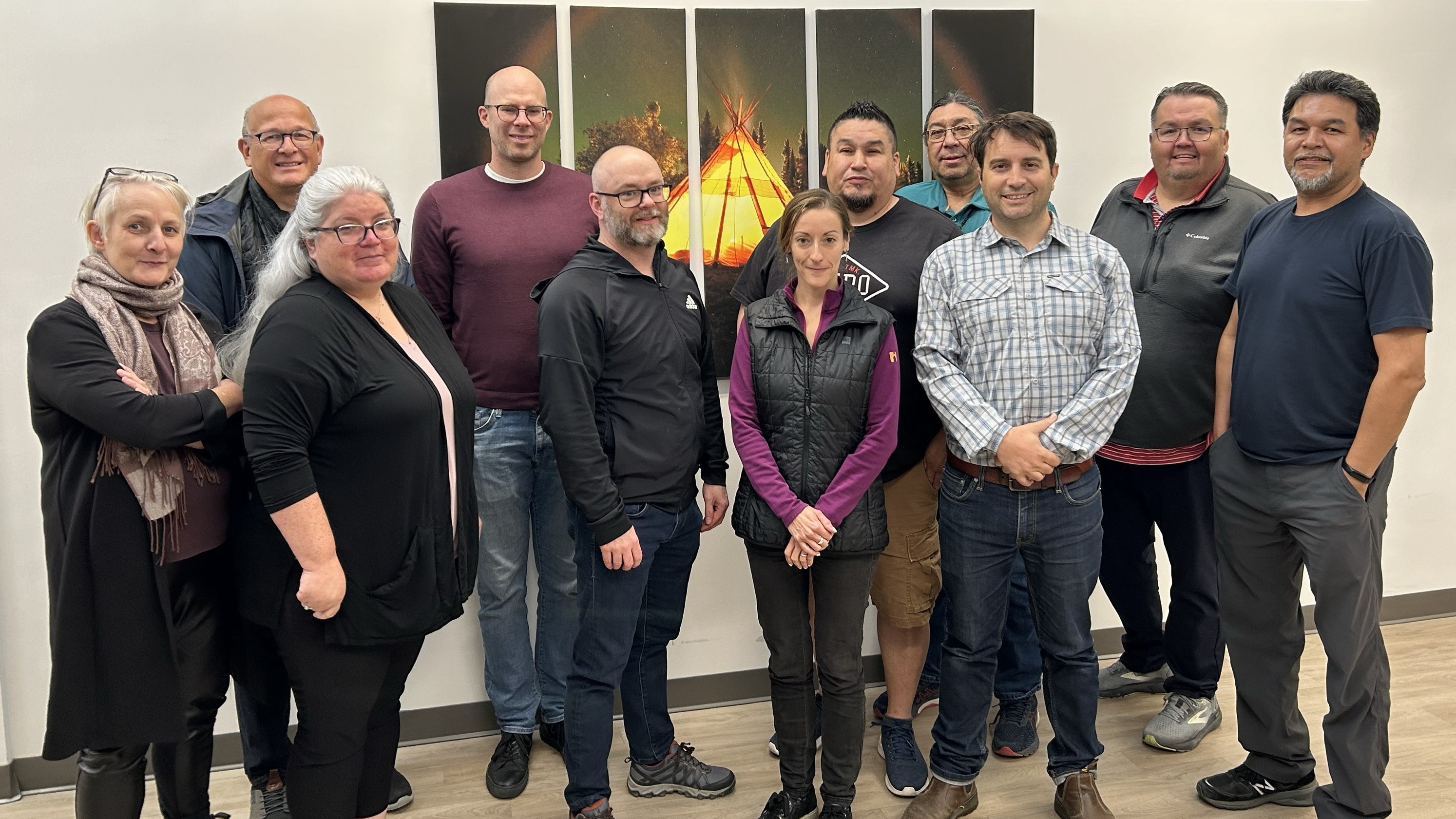
The Ayimihiituunaanuwich Technical Table is composed of members of the Cree Nations of Chisasibi, Wemindji and Mistissini as well as representatives of Hydro-Québec.

We are back on air with the
Hydlo & Friends 2.0 Radio Show
on JBCCS every month!
Next show : Wednesday, October 14, 2026 at 8 AM and 4 PM


-
 Water from Robert‑Bourassa reservoir flows down to the generating units in the underground generating station, where it powers the generating unit to produce electricity before returning to the river. Technological improvements over the past 40 years have enabled modern turbines to generate more torque (power output), making it possible to increase the power plant's installed capacity.
-
 During periods of intense cold, electricity use increases sharply due to home heating. At these times, Hydro‑Québec’s grid comes under intense pressure, with every generating station running at full capacity to keep Quebecers warm and comfortable.
-
 Handout on the Potential La Grande Capacity Upgrades
-
FAQs
-
Ayimihiituunaanuwich Study Area
-
 Community Updates
-
No. 1 - April 2025 - Ayimiihiituunaanuwich Joint Process - Community Update (909 KB) (pdf)
-
No. 2 - May 2025 - Ayimiihiituunaanuwich Joint Process - Community Update (488 KB) (pdf)
-
No. 3 - July 2025 - Ayimiihiituunaanuwich Joint Process - Community Update (408 KB) (pdf)
-
No. 4 - September 2025 - Ayimiihiituunaanuwich Joint Process - Community Update (735 KB) (pdf)
-
No. 5 - February 2026 - Ayimiihiituunaanuwich Joint Process - Community Update (664 KB) (pdf)
-
No. 6 - July 2026 - Ayimiihiituunaanuwich Joint Process - Community Update (1.04 MB) (pdf)
-
-
Fact sheets
-
Environmental Studies Program (2.09 MB) (png)
-
Presentations on the Joint Process
-
Cree Nation Government - December 2025 - Ayimihiituunaanuwich - Info session (5.93 MB) (pdf)
-
Cree Nation Governement - January 2026 - Ayimihiituunaanuwich Joint Process - Update no.2 (4.34 MB) (pdf)
-
November 2025 - Ayimiihiituunaanuwich - Info session - Mistissini (5.2 MB) (pdf)
-
January 2026 - Ayimiihiituunaanuwich - Info session - Wemindji (5.59 MB) (pdf)
-
March 2026 - Ayimihiituunaanuwich Technical Table Update (2.68 MB) (pdf)
-


